

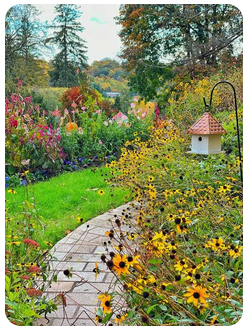
As the scorching heat of summer fades into crisp mornings and golden afternoons, many gardeners assume the growing season is coming to an end. However, autumn offers a stunning second act for your flower beds, planters, and porch displays. Cooler temperatures and moist soil actually help many varieties thrive, bringing rich hues of burgundy, burnt orange, deep purple, and sunny gold to your yard right up until the first hard frost.
Whether you are looking to refresh tired summer containers or plant perennials that will return year after year, adding late-season blooms is an easy way to keep your outdoor space vibrant. Here is a guide to some of the best flowers for fall, along with a few simple tips to help them flourish.
1. Chrysanthemums (Mums)
No autumn garden is complete without the undisputed classic of fall: the chrysanthemum. Available in dense, mounding shapes and a rainbow of seasonal shades—from deep rust and bronze to bright yellow and crisp white—mums deliver instant, high-impact color.
• Best for: Porch pots, walkway borders, and instant seasonal color.
• Care tip: When shopping for mums, look for plants covered in tight, unopened buds rather than those already in full bloom. This ensures you get weeks of fresh flowers instead of a short-lived display. Keep the soil consistently moist, as container-grown mums dry out quickly in crisp autumn breezes.
2. Asters
If you want to invite late-season pollinators like monarchs and honeybees into your yard, asters are a must-have. These daisy-like perennials burst into bloom in late summer and carry on well into October, offering cheerful clusters of purple, pink, blue, and white flowers with bright yellow centers.
• Best for: Perennial borders, cottage gardens, and pollinator habitats.
• Care tip: Plant asters in a spot that receives full sun to encourage sturdy stems and abundant blooms. If you plant them in the spring, pinching back the stems in early summer will create a bushier plant with even more fall flowers.
3. Ornamental Kale and Cabbage
While technically foliage plants rather than traditional flowers, ornamental kale and cabbage look just like giant, ruffled roses. As nighttime temperatures drop below 50°F, their centers intensify into striking shades of magenta, rose, creamy white, and deep purple, adding wonderful texture to fall arrangements.
• Best for: Mixed containers, window boxes, and pairing with trailing ivy or mums.
• Care tip: These cool-weather lovers actually look better after a light frost. Give them plenty of sunlight and regular water, and avoid over-fertilizing, which can cause the vibrant center colors to fade back to green.
4. Pansies and Violas
Don’t let their delicate, whimsical faces fool you—pansies and violas are among the toughest cool-weather flowers available. Unlike summer annuals that wither at the first sign of chill, pansies thrive in crisp weather and can often bounce back even after a light freeze or dusting of snow.
• Best for: Front-of-border edging, hanging baskets, and early-to-late fall color.
• Care tip: Regularly pinch off faded flowers (a process called deadheading) to prevent the plant from going to seed. This simple habit will encourage continuous blooming right through the end of autumn.
5. Goldenrod (Solidago)
Often unfairly blamed for seasonal allergies (ragweed is the real culprit), goldenrod is a native powerhouse that brings brilliant, feathery plumes of sunshine yellow to the fall landscape. It pairs effortlessly with purple asters for a striking complementary color scheme.
• Best for: Wildflower gardens, naturalized areas, and cut-flower bouquets.
• Care tip: Goldenrod is remarkably low-maintenance and drought-tolerant once established. Look for compact, clump-forming cultivars if you are planting in a smaller garden bed so it doesn’t crowd out neighboring plants.
6. Sedum (Stonecrop)
For gardeners who want effortless beauty, upright sedums like ‘Autumn Joy’ are unbeatable. Throughout the summer, their thick, succulent leaves form neat green mounds topped with broccoli-like buds. By early fall, those buds open into massive, flat-topped flower heads that shift from soft pink to deep coppery-red as the season progresses.
• Best for: Sunny rock gardens, drought-tolerant landscapes, and architectural interest.
• Care tip: Sedum thrives on neglect and prefers well-draining soil. Leave the dried, rusted flower heads standing through winter—they add great visual texture against winter snow and provide seeds for foraging birds.
7. Celosia (Cockscomb)
If you love bold, unusual textures, celosia brings dramatic flair to autumn planters. Whether you choose the feathery, flame-like plumes or the velvety, brain-shaped crests, celosia holds its vivid crimson, magenta, orange, and gold tones right up until frost.
• Best for: Statement centerpieces in fall pots and long-lasting dried floral crafts.
• Care tip: Celosia loves warmth and sun, making it ideal for early-to-mid fall displays. If you want to preserve the blooms for indoor autumn wreaths or arrangements, cut the stems at peak color and hang them upside down in a dry, dark spot for two weeks.
Quick Tips for Fall Planting Success
• Water deeply: Even though the air feels cooler, autumn winds can dry out soil faster than you might expect. Check containers daily and water perennials deeply once a week if rainfall is scarce.
• Skip heavy fertilizer: Avoid feeding perennials late in the season, as this encourages tender new growth that can be damaged by sudden frosts.
• Layer your containers: Combine a tall, upright anchor (like celosia or ornamental grass), a rounded filler (like mums or kale), and a trailing accent (like sweet potato vine or ivy) for a professional-looking porch display.
By mixing hardy perennials with vibrant cool-season annuals, you can enjoy a lush, colorful garden that celebrates the very best of autumn.