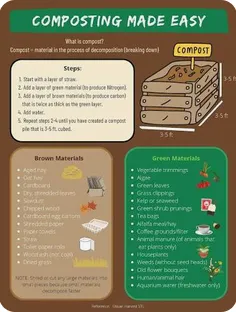
We’ve all been there: you buy the perfect organic fertilizer, follow the watering instructions on the plant tag down to the letter, and yet your tomatoes look sad, your hydrangeas refuse to bloom, and your lawn feels patchy.
Garden
The History Of Tomatoes
The tomato is perhaps the most successful “immigrant” in culinary history. Today, it is the backbone of Italian sauces, Spanish gazpacho, and American salads, but for centuries, it was viewed with deep suspicion—or used merely as a decorative table ornament.
The journey from a wild, pea-sized berry in the Andes to a global dietary staple is a saga of mistaken identity, royal curiosity, and scientific breakthroughs.
Continue reading →Rock Gardens
While “Rock Gardens” is the modern name, another term used in connection with natural rock gardening is “rockeries”. The biggest problem is to determine the plants that are likely to succeed under the conditions that can be provided. There are no plants that can be counted as rock plants in every part of the country; therefore, plants must be selected for the particular locality where they are to be grown. The background or setting for the rock garden varies greatly because of the topography and character of the country. In a rough, rocky country rock garden sites are sometimes found almost readymade, but in other sections they must be created from materials collected for the purpose. In the latter case care is necessary in order to produce a result that does not look forced or out of place. When building a house on a rocky hillside it may often be possible to reserve an adjacent area that may be made into a most attractive garden with but little modification. Even old quarries can be and are converted into attractive gardens. Where, however, such features have to be built, it takes a good student of nature to reproduce naturalistic rock ledges and other stone outcroppings. Boulders (rounded, waterworn stones) may be scattered over a gentle slope, whereas on a steeper slope the stones must be placed close together, at some points even resting on one another. Even rock walls may be part of a rock garden.
Continue reading →Inner City Gardens
Inner city gardens can do great things for community pride and spirit, and fortunately can be set up for little or no cost to the community. Inner city garden take away from unused plots and decrepit landscapes that are visually depressing and dangerously collecting trash, including needles.
Continue reading →Water Gardens
There are many new trends surfacing in gardening, and water gardening is one of the main new interests. Water gardening can be in the form of waterfalls, ponds, fountains, all of which can be enhanced by rock work combinations and lighting, plants, and fish. Water gardening doesn?t have to be a pond or natural water source either, it can consist of just a plastic tub, basically anything that can hold water.
Continue reading →The Great Awakening: A Comprehensive Guide to Planting Your Spring Garden
There is a specific kind of magic that happens in the transitional weeks between late winter and early spring. The air loses its bite, the soil begins to yield underfoot, and that primal urge to “grow something” starts to itch. Whether you have a sprawling backyard or a few sunny pots on a fire escape, planting a spring garden is an act of optimism—a literal investment in the future.
The Basics of Rose Gardens
There are two main classes of roses: Bush roses and climbing roses. These two classifications are based entirely on tendencies of growth. Bush roses grow from 1 foot to 6 feet in height and require no support. Climbing roses produce long canes each year and must be provided with some type of support. Bush Roses Bush roses include many types grouped according to flowering habit, winter hardiness, and other traits. These types are hybrid teas, floribundas. polyanthas, hybrid perpetuals, shrubs, old-fashioned, tree or standard, and miniature.
Continue reading →History Of The Early Gardens
In the beginning there was a garden with natural water fountains. Creation’s garden. And life was good. All plants were natives. Food was pure and abundant. Predators and prey were in balance (which is not to say they were equal).
Continue reading →Herb And Vegetable Gardens Are Lanscapes Too!
Most people think of landscaping as rocks carefully placed, manicured lawns, and large trees scattered about a property. However, a garden can make a very attractive addition to any landscape. Whether it is an herb garden or whether it is a vegetable garden, these features can be just as beautiful as any other landscape element, and provide added benefits as well. Well maintained vegetable and herb gardens also provide other benefits: they are a source of food and can be a source of very pleasing smells.
Continue reading →Cultivating Your Sanctuary: A Step-by-Step Guide to Starting Your First Garden
There is a unique, grounding magic in sticking your hands into the earth and realizing that, with a little patience and water, you can grow something life-sustaining. Whether you are inspired by the recent trend of swapping thirsty lawns for native plants or simply want the crunch of a homegrown snap pea, starting a garden is one of the most rewarding projects you can undertake.